U.S. gifts
Donate via IDATax-deductible through our fiscal sponsor, the International Documentary Association.
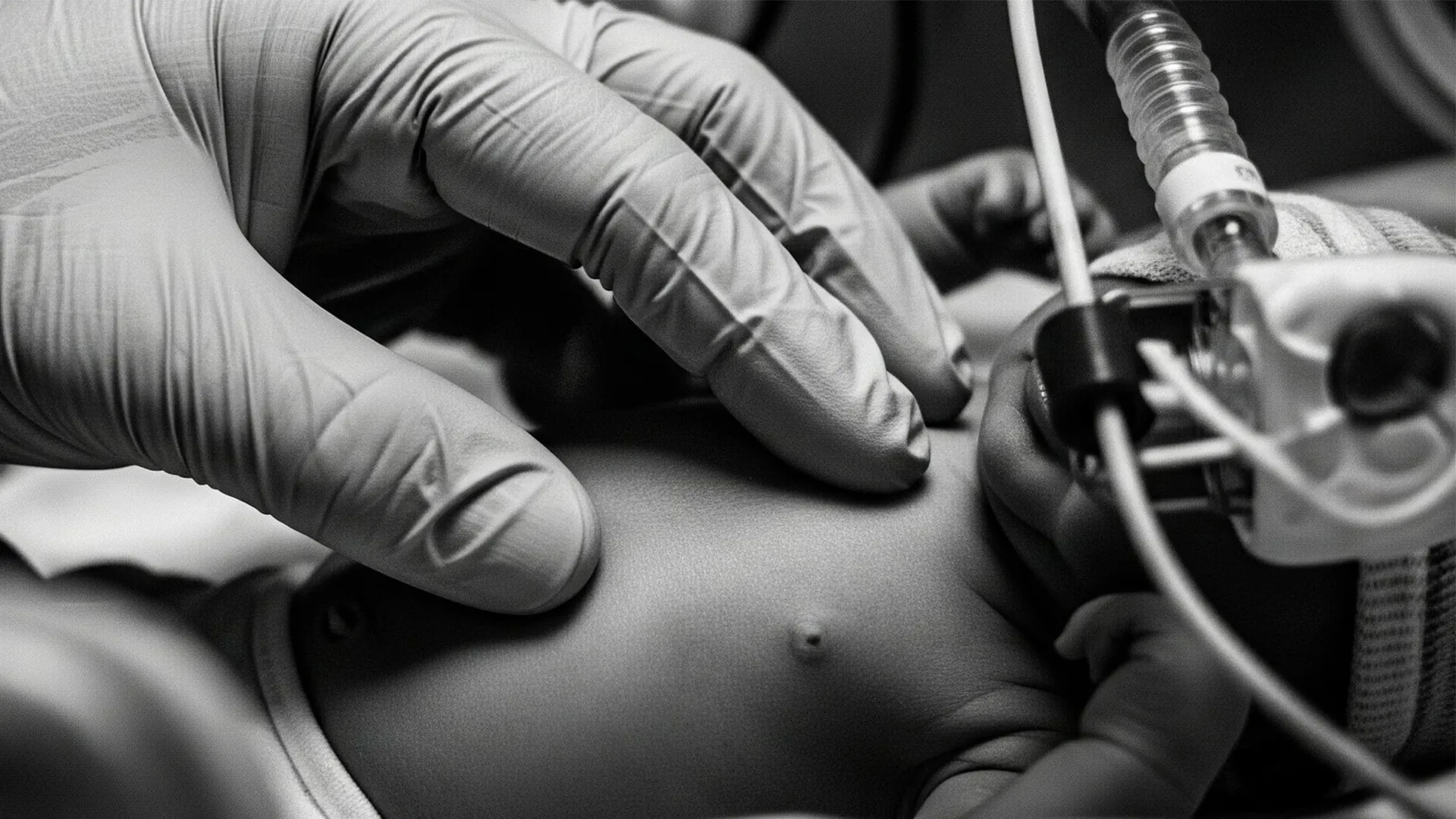
What if an overturned belief still hurts, four decades on?
(Don’t Feel Pain)
A film to end avoidable newborn pain for good.
Be Their VoiceUntil the late 1980s, most doctors believed babies couldn’t feel pain, and operated on them with little or no anesthesia.
Fish and Babies (Don’t Feel Pain) is a new PBS documentary that tells the story of how that belief was overturned, and why an estimated 60% of neonatal procedures still involve avoidable pain today.
Despite decades of evidence that early-life pain can leave lasting physiological and psychological consequences, change has been slow and uneven.
Director Tim van den Hoff was operated on as a baby without anesthesia. Now a father of two, he wants to understand the gap between science and practice, and what it will take to end it.
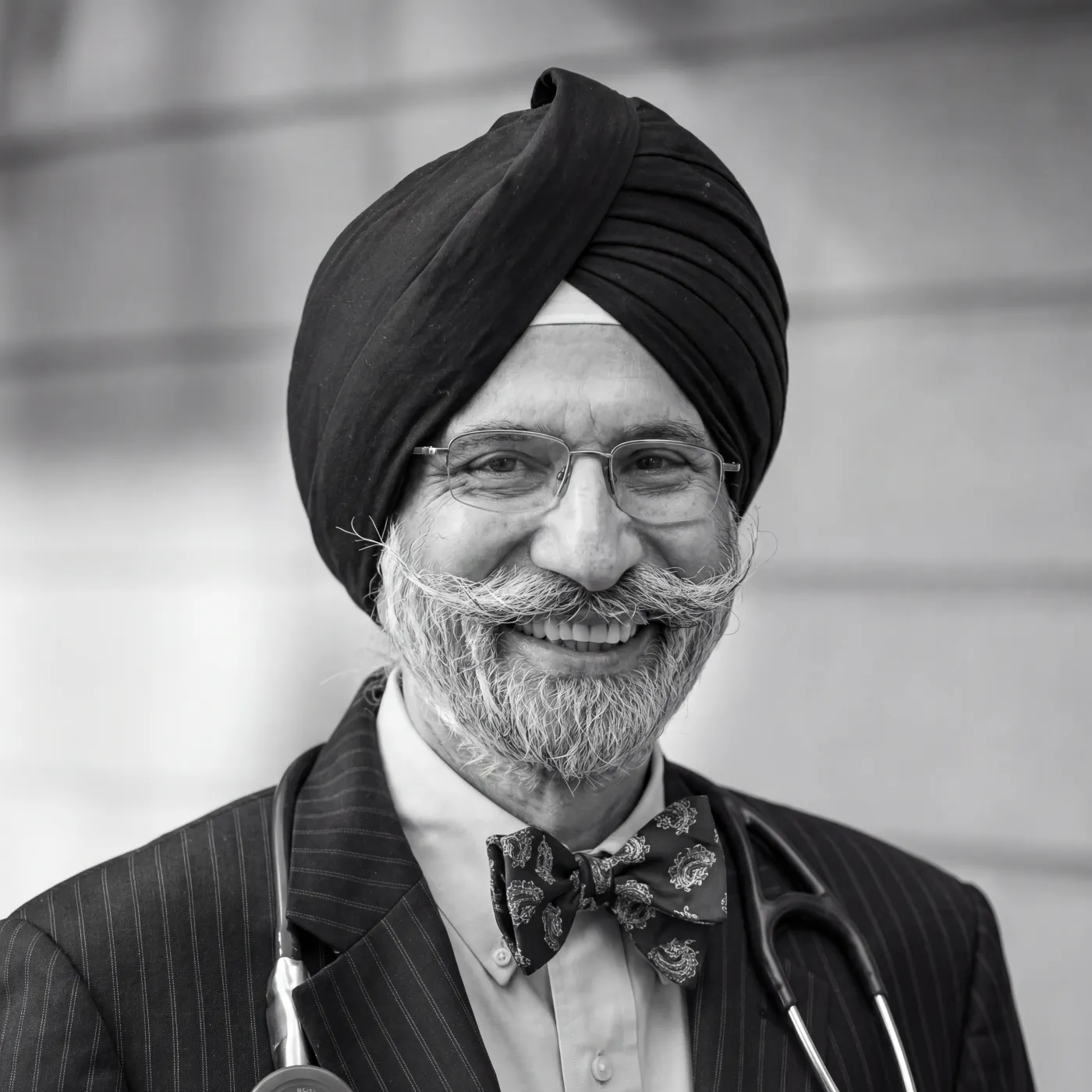
“The Latin root of ‘infant’ means ‘unable to speak.’ For decades, we assumed that meant they could not suffer. We were wrong.
Science has corrected the facts, but practice lags behind. This initiative gives a voice to that unresolved history, grounding the science in lived experience to create the conviction we need to finally close the gap.”
Fish and Babies will broadcast nationally on PBS and serve as the centerpiece of a series of in-person and virtual screenings, bringing together the parents, providers, institutions and policymakers who have the power to end avoidable newborn pain for good.
We are working with aligned community partners to build awareness and support for a national and local call for reform through the following initiatives:
Help bring Fish and Babies (Don’t Feel Pain) to the parents, providers and policymakers who can end avoidable newborn pain.
Tax-deductible through our fiscal sponsor, the International Documentary Association.
Give directly to Gander Yonder Foundation, the Dutch charity behind the film. ANBI-registered.
Considering a larger gift, partnership or introduction? Schedule a private briefing.
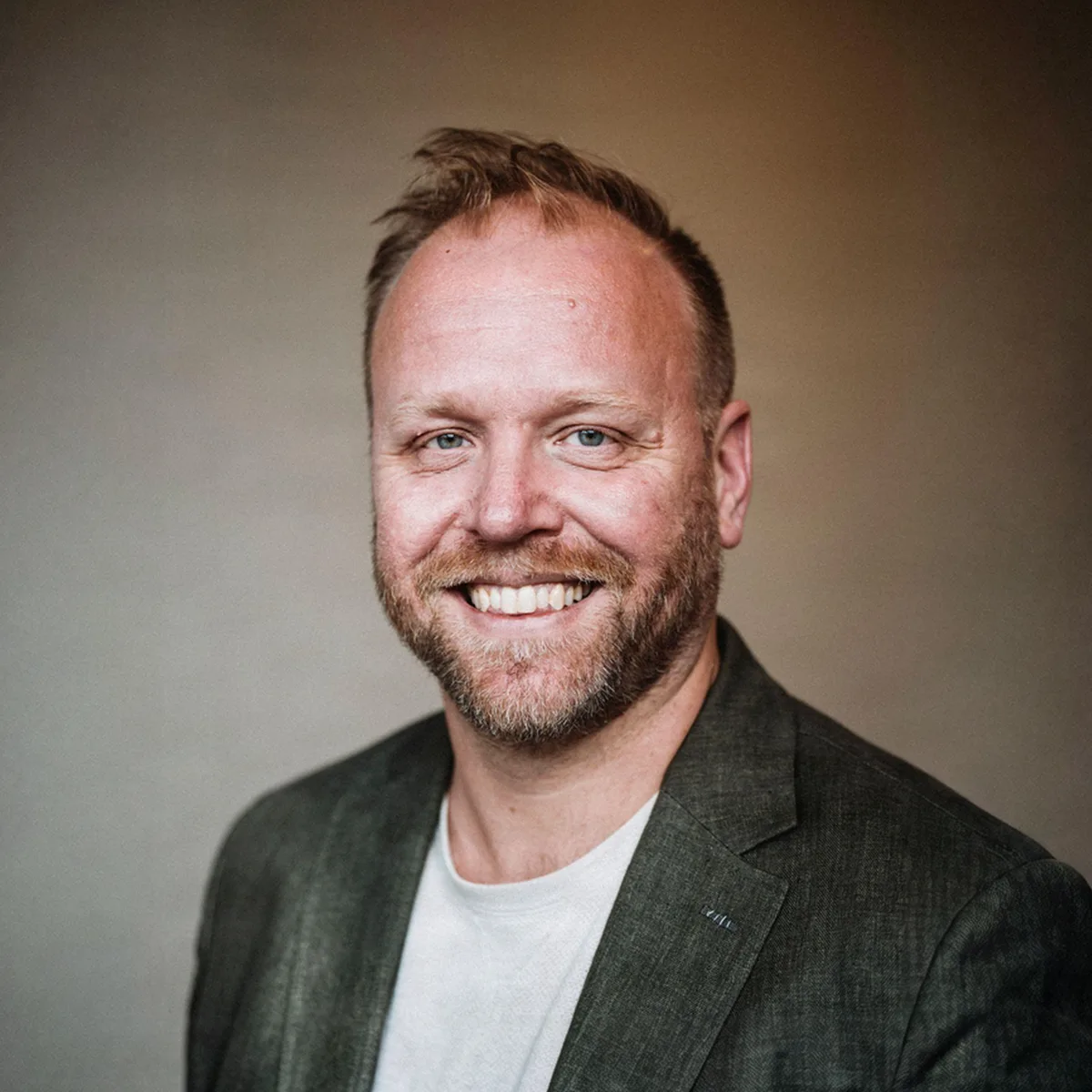
Director / Producer
Tim’s credits include the Cannes Corporate award-winning medical film Committed to Freedom, still used in clinical settings today, and Monumental Crossroads, broadcast internationally and distributed to hundreds of universities worldwide.
A father of two and a survivor of unsedated infant surgery, Tim uses a historical lens to engage with current societal issues and is uniquely equipped to bring this film to audiences globally.
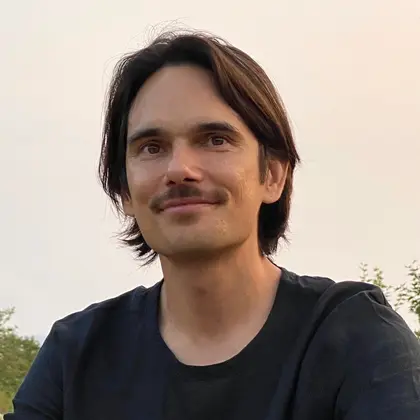
Distribution Strategist
Keith Ochwat is the founder of Show&Tell Films and has worked with PBS for 20 years and produced films that aired on PBS and Netflix. Keith leads distribution and outreach campaigns for documentaries. His work connects each film with the organizations and communities that care most about its subject. Recent projects include My Ascension, Multiple Choice, and Age of Champions, which screened in more than 3,000 communities with partners including AARP and Cigna.
Scientific advisors
Dr. Kanwaljeet “Sunny” AnandStanford University“The Latin root of ‘infant’ means ‘unable to speak.’ For decades, we assumed that meant they could not suffer. We were wrong.”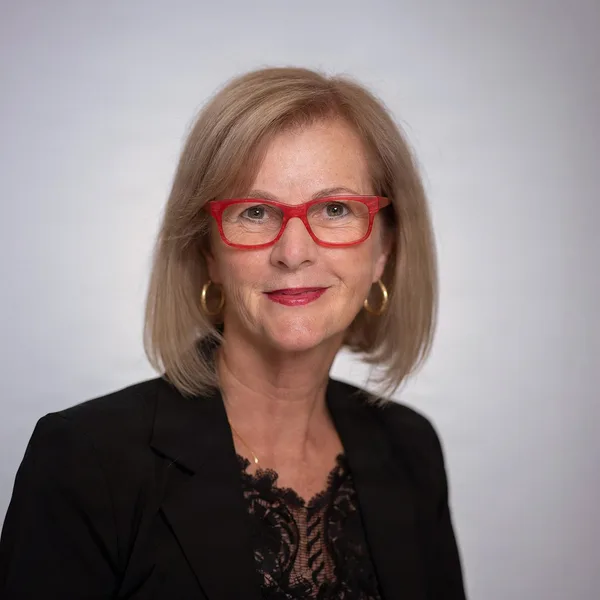 Dr. Bonnie StevensUniversity of Toronto“They’re the most vulnerable population and very unable to speak up for themselves. So we have to be their voice.”
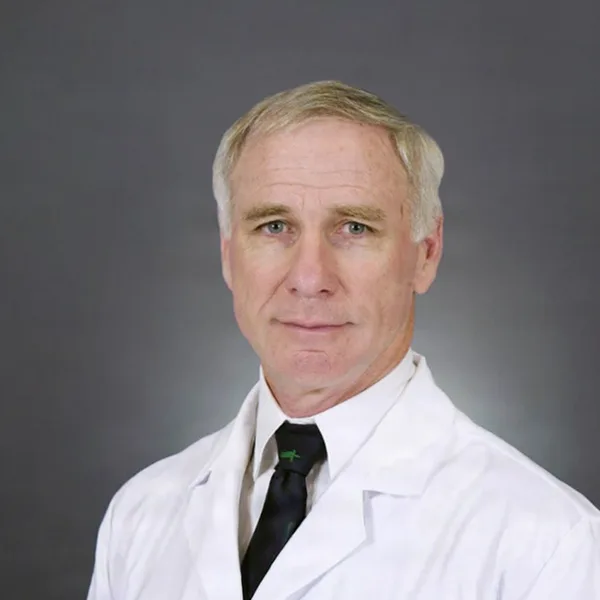 Dr. Paul HickeyBoston Children’s Hospital“It takes a long time for a change in practice–even one abundantly supported by scientific evidence.”
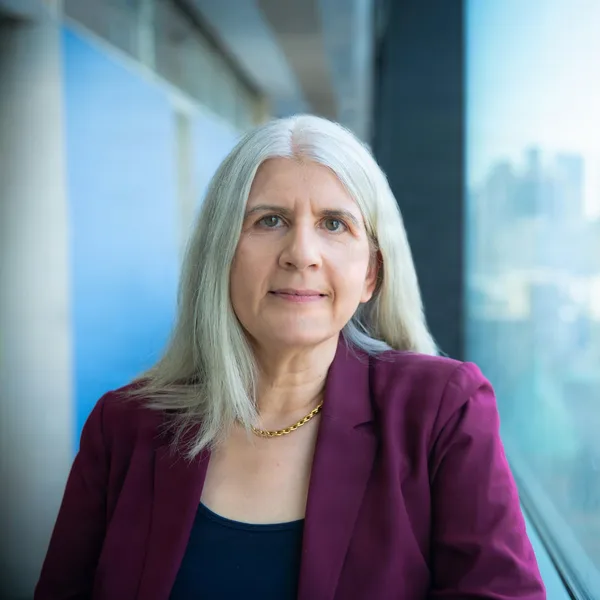 Dr. Anna TaddioSickKids Toronto“When we don’t pay attention to pain, we are causing harm.”
Be the first to know when and where to see it.